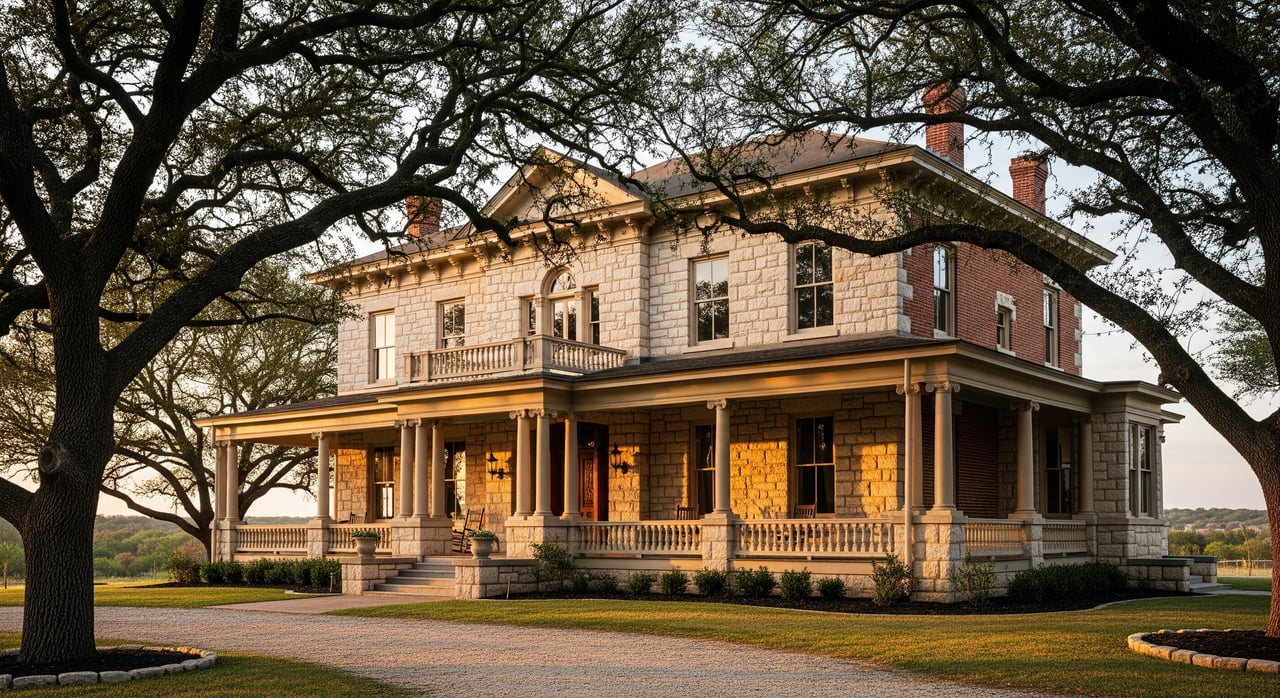
Love the idea of a wide front porch, original woodwork, and mature oaks framing your evening strolls to the Square? Buying a historic home in Georgetown’s Old Town can deliver all of that charm, plus a strong sense of place. It also comes with unique rules, inspections, and timelines that are different from a newer build. In this guide, you’ll learn what to expect, how to plan your budget and approvals, and the exact steps that help you buy confidently. Let’s dive in.
Why Old Town homes stand out
Old Town grew during the late 19th and early 20th centuries, when railroads and county-seat commerce shaped the neighborhood fabric. You see that history in the architecture, from Victorian and Queen Anne details to Craftsman bungalows and Classical Revival façades. The result is a walkable grid of character homes and tree-lined streets that feel unlike newer subdivisions.
Inside and out, many homes still showcase period features that set them apart. Think wood siding, wraparound porches, spindlework, original windows and doors, and historic chimneys. Lots are often smaller, setbacks are shallow, and you may notice older outbuildings or additions that evolved over time.
What to expect in older systems
Historic homes look timeless, but their systems may be anything but. Expect a careful review of what has been updated and what has not.
- Electrical: You may encounter original or early-era wiring, including knob-and-tube or cloth-insulated wiring, and older fuse panels.
- Plumbing: Galvanized supply lines and older sewer laterals are common in aging homes.
- HVAC and roofing: Some systems may be near end of life, and roof materials may be past their useful age.
- Foundations: Many homes sit on pier-and-beam foundations, which can show settlement or deteriorated piers.
- Environmental: Homes built before 1978 can have lead-based paint. Some older insulation, flooring, or pipe wrap may contain asbestos.
These are not deal breakers, but they affect your inspection list, budget, and timeline.
Rules in Georgetown’s historic areas
Many Old Town properties are within a local historic overlay or are designated landmarks. That means exterior changes often require review and approval before work begins.
- Certificate of Appropriateness: For exterior changes that affect character-defining features, you typically need a Certificate of Appropriateness from the city’s historic review body. Interiors are usually not regulated.
- Design guidelines: Local standards often reference the Secretary of the Interior’s Standards for Rehabilitation. The focus is to repair rather than replace and to match historic materials and profiles when feasible.
- Permitting: Structural, electrical, plumbing, and mechanical work will need standard permits. If a variance or zoning change is required, plan for a longer public process.
Practical tip: Confirm a property’s status with city planning or historic preservation staff and review any prior approvals. Past permits and approvals help you understand what has been done correctly.
Financing and insurance basics
You can use a standard mortgage for many historic homes. If you plan significant upgrades, talk to lenders about renovation financing.
- Renovation loans: Common options include FHA 203(k) and Fannie Mae HomeStyle Renovation. These loans may require licensed contractors, detailed estimates, and special appraisals.
- Appraisals and timing: If your plans include exterior changes, the historic review process can affect appraisal and closing timelines. Lenders may ask for clarity on what is permissible.
- Insurance: Premiums can be higher for older systems. Ask about coverage for historic materials, exclusions for lead and asbestos, and foundation stabilization.
Step-by-step buying timeline
Every project is different, but these steps reflect a typical path for Old Town purchases.
Step 0: Preliminary research (1–7 days)
- Confirm whether the home is in a historic overlay or is a local landmark. Check if it is listed on the National Register.
- Review the city’s historic preservation process and design guidelines.
Step 1: Preapproval and contingencies (1–7 days)
- Secure mortgage preapproval and discuss renovation loans if needed.
- Add inspection and COA or permit contingencies to your offer to protect your plans.
Step 2: Due diligence and inspections (1–3 weeks scheduling)
- Order a general home inspection, plus specialists as needed: foundation, roof, electrical, plumbing, HVAC, pest/termite, chimney.
- For pre-1978 homes, plan for a lead-based paint assessment if you will disturb painted surfaces. If renovation is likely, schedule an asbestos survey for suspect materials.
- Request and review past permits, approvals, and contractor receipts to flag unpermitted work.
Step 3: Historic review and approvals (2–8+ weeks)
- Minor in-kind repairs may qualify for an administrative approval within days or weeks.
- Larger changes, like additions or window replacements, typically require a formal hearing. That can extend the timeline to multiple weeks or months.
- If a variance is needed, expect a longer schedule that includes public meetings.
Step 4: Permits and contractor procurement (2–8+ weeks)
- After historic approval, submit building permits. Timelines vary by scope and workload.
- Book specialty trades early. Historic window repair, masonry repointing, and custom millwork often have longer lead times.
Step 5: Construction and rehab (weeks to many months)
- Small projects such as painting, porch repairs, or roofing may take weeks.
- Larger rehabilitations, including structural work and full systems replacement, often take months. If incentives or certifications apply for income-producing properties, coordination can add time.
Common scenarios:
- Well-maintained home with minor changes: 3–6 weeks for due diligence, 2–6 weeks for minor approvals and permits, and a few months to finish light work.
- Significant rehab with exterior changes: 2–6 months for approvals plus 6–12 months for construction, depending on scope.
Tour-ready checklist
Go in with a plan. Use this simple checklist before you tour and as you evaluate candidates.
Documents to request
- Seller’s disclosure and known-issues list.
- Copies of past building permits and any Certificates of Appropriateness.
- Records of historic designation and any preservation easements or deed restrictions.
- Property survey or plat.
- Recent utility bills, service records for major systems, and any termite reports.
Questions to ask
- Is the property within a local historic overlay or a designated landmark? Is it on the National Register?
- Which exterior changes required historic approvals in the past, and can you review the files?
- Were any additions or modifications done without permits?
- What are the ages of the roof, HVAC, water heater, electrical panel, and sewer line?
- Are there known foundation, drainage, or termite issues?
- Is the property in a floodplain or subject to other special overlays?
- Did prior owners use any historic incentives, and do obligations remain?
Visual red flags during the tour
- Sloping floors or sticking doors and windows that suggest foundation movement.
- Signs of water intrusion like ceiling stains, masonry efflorescence, or musty odors.
- Multiple layers of peeling exterior paint that could signal lead-based paint concerns.
- Mismatched exterior materials or interrupted rooflines that suggest unpermitted additions.
- Exposed knob-and-tube wiring, outdated fuse panels, or overloaded circuits.
- Sewer odor in the yard, which may indicate lateral issues.
Specialist inspections to consider
- Structural engineer for foundation or framing concerns.
- Certified lead inspector and EPA RRP-trained renovator for pre-1978 homes with planned surface disturbance.
- Asbestos survey for suspect materials before renovation.
- Chimney sweep and camera scope.
- Sewer lateral camera inspection.
Smart budgeting for rehab
Older homes deserve a realistic budget that accounts for unknowns. A higher near-term contingency is wise if inspections reveal deferred maintenance.
- Contingency: Consider 5 to 10 percent of the home value for near-term deferred maintenance, then 1 to 3 percent annually for upkeep. Adjust based on inspection results and scope.
- Historic-sensitive work: Expect higher costs for matching wood profiles, repairing original windows, and using lime-based mortar where appropriate.
- Soft costs: Include historic approvals, permit fees, design help, and possible premium pricing for specialized trades.
- Time: Longer lead times and approvals can add carrying costs. If you need temporary housing during major work, add that to your plan.
Common mistakes to avoid
- Skipping permit and approval history. This is how unpermitted work hides in plain sight.
- Assuming replacement is easier than repair. Historic guidelines often favor repair, which can also preserve value.
- Underestimating lead and asbestos requirements. Disturbing hazardous materials without proper protocols can derail timing and budget.
- Hiring the wrong contractors. Not every contractor is comfortable with historic materials or review boards. Prior experience matters.
How we help in Georgetown
Buying a historic home should feel exciting, not overwhelming. You get more clarity when your agent coordinates the steps, helps you prioritize inspections, and stays ahead of approvals and timelines. Our boutique approach focuses on planning, presentation, and neighborhood-savvy guidance so you can move forward with confidence.
If you are considering Old Town or nearby Georgetown neighborhoods, we can help you map out financing options, line up the right inspectors and contractors, and structure offer contingencies that protect your plans. Ready to talk through your goals and timeline? Let’s Grab Coffee with Cashmere Realty Group.
FAQs
What is a Certificate of Appropriateness in Georgetown?
- It is an approval typically required for exterior changes to properties in local historic overlays or landmarks to ensure work aligns with preservation guidelines.
How long does historic review take for Old Town projects?
- Minor in-kind repairs can be approved in days or weeks, while larger changes that require hearings often take multiple weeks to several months.
Which renovation loans work for historic homes?
- Buyers often consider FHA 203(k) or Fannie Mae HomeStyle Renovation loans, which finance purchase plus improvements and may require licensed contractors.
Are interiors regulated in Georgetown’s historic districts?
- Interiors are usually not regulated, but exterior character-defining elements typically require review and approval before changes.
How should I budget for unknowns in an older home?
- Plan a higher contingency, such as 5 to 10 percent for near-term needs, then 1 to 3 percent annually for upkeep, adjusted based on inspection findings.
Can I replace original windows in Old Town Georgetown?
- Window replacement is often a major exterior change that requires review, and repair of original windows is typically preferred when feasible.