Is your Round Rock home getting ready to hit the market, but you are not sure what to fix, move, or style first? You are not alone. With more homes to choose from across Williamson County, buyers are comparing details closely and clicking past listings that do not shine. In this guide, you will learn the most common staging mistakes local sellers make, the fast fixes that work, what they cost, and how to keep your listing MLS compliant. Let’s dive in.
Why staging matters now in Round Rock
Recent Austin area market snapshots show rising inventory and longer days on market in 2025, which means buyers have more choice and your presentation matters more. Local reports tracking ABoR data noted that inventory rose and prices softened in many suburbs last year, shifting leverage toward buyers in some price ranges. You can use staging to stand out, draw more showings, and help your home sell faster. According to the National Association of Realtors, staging often helps buyers visualize a property, reduces time on market, and can lift offers modestly (NAR Home Staging report; Austin market snapshot).
Interior mistakes to avoid
Clutter and personal items
Too many photos, collections, and counter items make it hard for buyers to picture themselves in your home. NAR research finds staging helps buyers visualize a property as their future home. The fix is simple: remove personal photos and extra décor, clear surfaces, and store 30 to 50 percent of small furniture if rooms feel cramped. A focused declutter plus a professional deep clean over a weekend can make your photos pop, often for a few hundred dollars (Bankrate cost guide).
Skipping easy repairs
Scuffed paint, loose cabinet pulls, and burned-out bulbs signal deferred maintenance. These small issues become bargaining chips for buyers. Do a room-by-room punch list and tackle visible items first. A typical bundle of touch-up paint, new bulbs, and tightened hardware can come in under a few hundred dollars and lifts perceived condition right away (Bankrate cost guide).
Dark rooms or bulky furniture
Overcrowded or dim rooms look smaller in photos and in person. Right-size your furniture, remove oversized pieces, and add layered lighting. For photos and showings, open window coverings and replace dim bulbs. A few lamps and new bulbs can dramatically improve the look for a modest spend (Bankrate cost guide).
Over-staging or off-target style
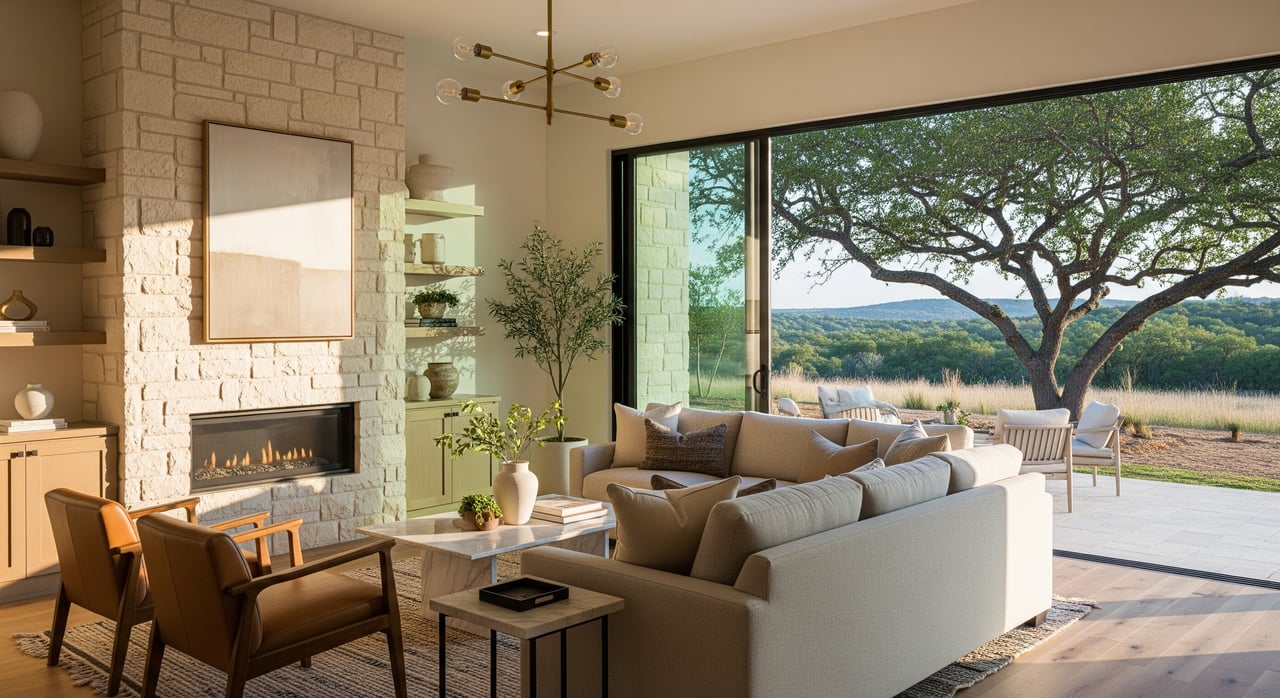
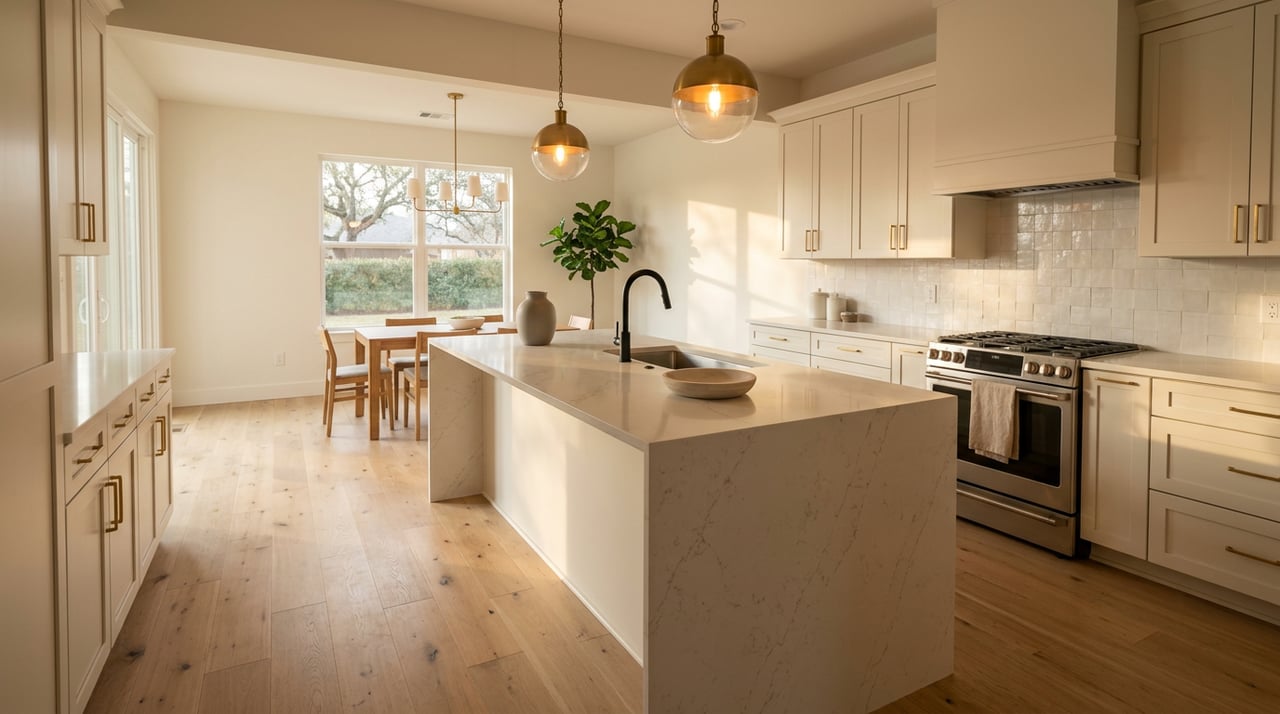
Too many accessories or a strong personal theme can distract buyers. Keep a neutral palette and emphasize calm, clean lines. If your time or budget is limited, stage the living room, kitchen, and primary bedroom first, since buyers focus on these spaces most (NAR Home Staging report).
Curb appeal mistakes to fix
Neglected entry and front yard
Your exterior is usually the first photo online and the first impression in person. Tidy the lawn, trim shrubs, pressure-wash the drive and porch, refresh the welcome mat, and consider repainting or replacing worn door hardware. Central Texas summers are hot and dry, so choose low-water, heat-tolerant plants that still look polished. Texas A&M’s Earth-Kind Plant Selector is a helpful resource for hardy choices that thrive here (Earth-Kind plant selector).
Visible exterior wear
Roof stains, peeling paint, and clogged gutters raise red flags about overall care. Clean, repair, or touch up what you can before photos. If major work is needed, consult your agent on the best strategy to repair or to disclose and price accordingly.
Online listing mistakes that cost you
Low-quality or poorly ordered photos
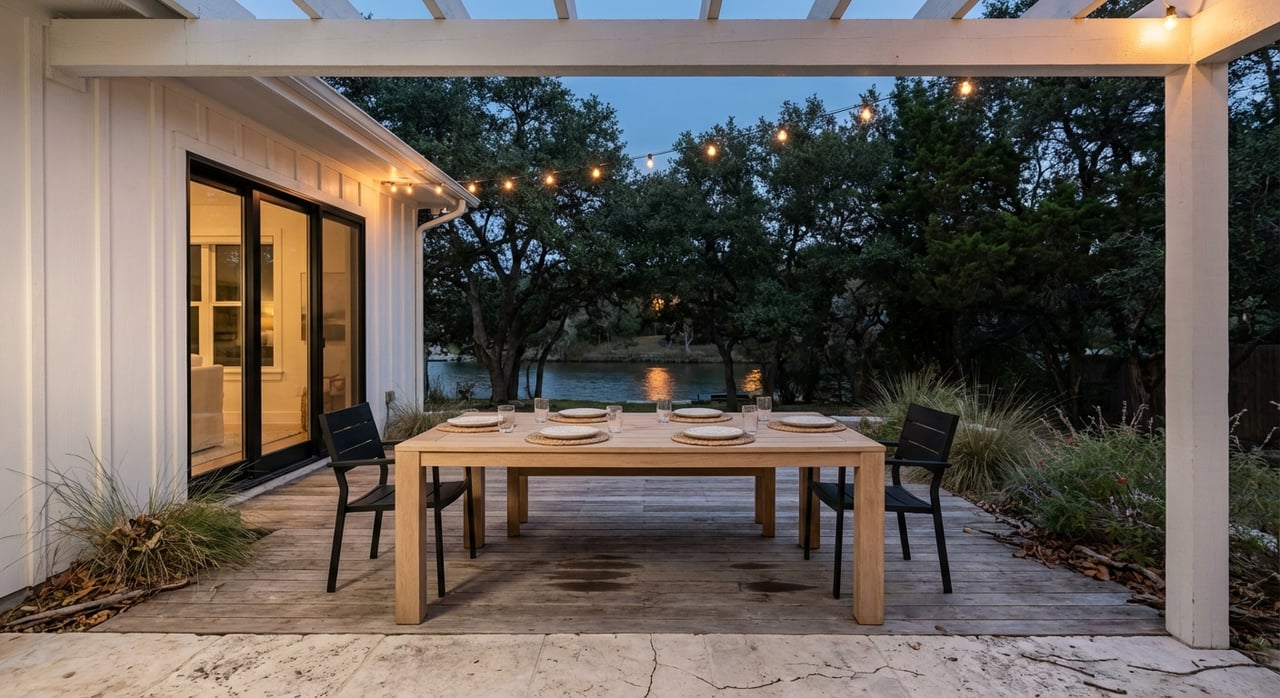
Most buyers shop online first, and photos drive clicks and showings. Hire a professional real estate photographer who understands exposure, composition, and when to use wide angles. Ask for a twilight exterior, clear shots of main living spaces, and a floor plan or 3D tour if available. This investment is often only a few hundred dollars and can pay back with more traffic and stronger offers (Bankrate cost guide).
Misusing virtual staging
Virtual staging is a useful tool when used correctly. Many MLSs require that edited images be clearly labeled as virtually staged and that originals be kept or uploaded per rules. Failure to disclose can trigger complaints or MLS issues. Coordinate with your agent to follow ACTRIS and ABoR requirements, label images clearly, and retain originals (MLS virtual staging guidance; NAR staging resources).
Vague or feature-light remarks
Buyers skim for facts that fit their needs. Highlight flow, key upgrades, outdoor living, storage, and nearby conveniences in clear, concise bullets. Keep the focus on benefits to the buyer and how the spaces live day to day.
A simple Round Rock staging plan
3 to 6 months before listing
- Walk your home with your agent and, if possible, a staging pro. Identify must-fix items, safety concerns, and cosmetic priorities.
- Schedule work that takes time, such as paint, flooring, landscaping, or HVAC and roof repairs.
- Set aside a realistic budget. For small refreshes and targeted repairs, plan roughly $1,000 to $10,000 depending on scope (Bankrate cost guide).
4 to 8 weeks before listing
- Declutter and deep clean. Finalize your staging plan, including which rooms will be physically staged versus styled lightly.
- If using a staging company, book install and removal dates now.
- Expect a staging consultation to run a few hundred dollars. Partial staging or a room refresh often ranges from a few hundred to a couple thousand, with vacant-home furniture rentals priced per room per month (Bankrate cost guide).
1 to 2 weeks before listing
- Schedule professional photos after staging is complete and during the best daylight.
- Prepare listing remarks and disclosures, and confirm virtual staging labels if used.
- Photography often ranges from a couple hundred to several hundred dollars, with 3D tours as an add-on (Bankrate cost guide).
Listing week and show-ready
- Do final touch-ups, clean windows, and add fresh greenery.
- Keep daily surfaces clutter-free and lights bright for every showing.
- Track early traffic. In a cooling market, consider quick tweaks or price adjustments after the first 7 to 14 days if showings are light.
ROI and expectations
Industry surveys suggest staging can help homes sell faster and, in many cases, lift offers by a modest margin. NAR reports that staging helps buyers visualize the home and can reduce days on market, which may improve net proceeds when carrying costs are considered. Staging organizations also report strong sale-to-list results within their staged portfolios. Treat these figures as directional, since outcomes vary by property and price point (NAR Home Staging report; RESA).
From a budget standpoint, many sellers spend a small percentage of list price on staging and presentation work. When balanced against time on market and offer strength, this spend often makes sense, especially in price bands with active competition (Bankrate cost guide).
What a boutique, staging-certified team provides
A staging-certified boutique team coordinates design, logistics, and compliance so your home looks its best online and in person. Typical deliverables include:
- A walk-through consultation and written plan that prioritizes rooms, repairs, and style direction.
- A clear quote with install and removal timing and any rental minimums.
- Inventory management for furniture, rugs, art, and accessories, plus insured delivery and pick-up.
- Coordination with the photographer for optimal timing, including twilight and floor plan or 3D capture.
- MLS documentation for any virtual staging, with original images retained and edited images labeled clearly (MLS virtual staging guidance).
- Before-and-after documentation with a brief rationale tied to the likely buyer profile.
When you interview staging partners, ask about certifications or memberships, such as RESA, IAHSP, or CSP, and request local case studies with photos and days-on-market results (RESA).
Smart questions to ask your stager
- What credentials or association memberships do you hold, and can you share recent Round Rock results with photos and DOM data?
- How do you price install, styling, and furniture rental, and are there minimum months?
- What insurance do you carry for on-site work and in-transit inventory?
- How do you handle virtual staging, labeling, and MLS compliance, and will you supply originals on request? (MLS virtual staging guidance)
- If the home sells quickly, how do pickups and prorated fees work?
Quick pre-photo checklist
- Remove personal photos and declutter counters, tables, and closets.
- Touch up paint in high-traffic areas and clean baseboards.
- Replace burned bulbs and add lamps to dark corners.
- Tidy the yard, sweep the porch, and add simple, healthy planters at the entry.
- Deep clean carpets and windows.
- Schedule staging install 48 to 72 hours before the photographer arrives.
- Confirm any virtually staged images will be labeled and that original photos will be retained.
Ready to sell with confidence
Thoughtful staging helps your Round Rock home make the right first impression, online and at the front door. With a clear plan, a realistic budget, and the right team, you can avoid common mistakes and position your home to sell faster and for a stronger price. If you would like a customized staging plan, curated photography, and MLS-ready marketing, reach out to Cashmere Realty Group. Let’s grab coffee and map your path to market.
FAQs
What are the top staging mistakes Round Rock sellers make?
- Common issues include cluttered rooms, dim lighting, small repairs left undone, neglected curb appeal, low-quality photos, and improper disclosure for virtual staging.
How much does professional staging typically cost?
- Costs vary by scope, but consultations often run a few hundred dollars, partial staging ranges higher, and vacant-home furniture rentals are priced per room per month (Bankrate cost guide).
Does virtual staging need to be disclosed in the Round Rock MLS?
- Yes, edited images should be clearly labeled as virtually staged, and original photos should be retained, following ACTRIS and ABoR rules and common MLS practices (MLS virtual staging guidance).
Which rooms should I stage first for the best impact?
- Focus on the living room, kitchen, and primary bedroom, since these rooms most influence buyer perception and online engagement (NAR Home Staging report).
When should I start staging before I list my Round Rock home?
- Start planning 3 to 6 months out for repairs and updates, finalize staging 4 to 8 weeks before listing, and schedule professional photos 1 to 2 weeks ahead after staging is complete (Bankrate cost guide).